Introduction
Bluetooth heart rate monitors can be useful if you want wireless workout tracking without relying only on a smartwatch. They can connect to phones, watches, fitness apps, cycling computers and some gym equipment.
The best Bluetooth heart rate monitor should be comfortable, reliable and easy to pair with the devices you already use. Some people prefer chest straps, while others prefer arm bands or wrist-based trackers.
In this guide, we explain what to look for when buying Bluetooth heart rate monitors in the UK and how to choose the right wireless tracker for running, gym training, cycling, HIIT and everyday fitness.
What is a Bluetooth heart rate monitor?
A Bluetooth heart rate monitor is a wearable device that tracks your heart rate and sends the data wirelessly to another device. This might be a phone, smartwatch, fitness app, running watch, cycling computer or compatible gym machine.
Bluetooth heart rate monitors are popular because they make it easier to view live workout data and save training sessions without using cables or manual entry.
Who should buy a Bluetooth heart rate monitor?
A Bluetooth heart rate monitor can be useful for runners, cyclists, gym users, HIIT users, beginners and people who train with fitness apps.
It may also be useful if you want more reliable workout heart rate data than a basic wrist tracker provides, or if you want your heart rate data displayed inside an app during exercise.
What to look for in Bluetooth heart rate monitors
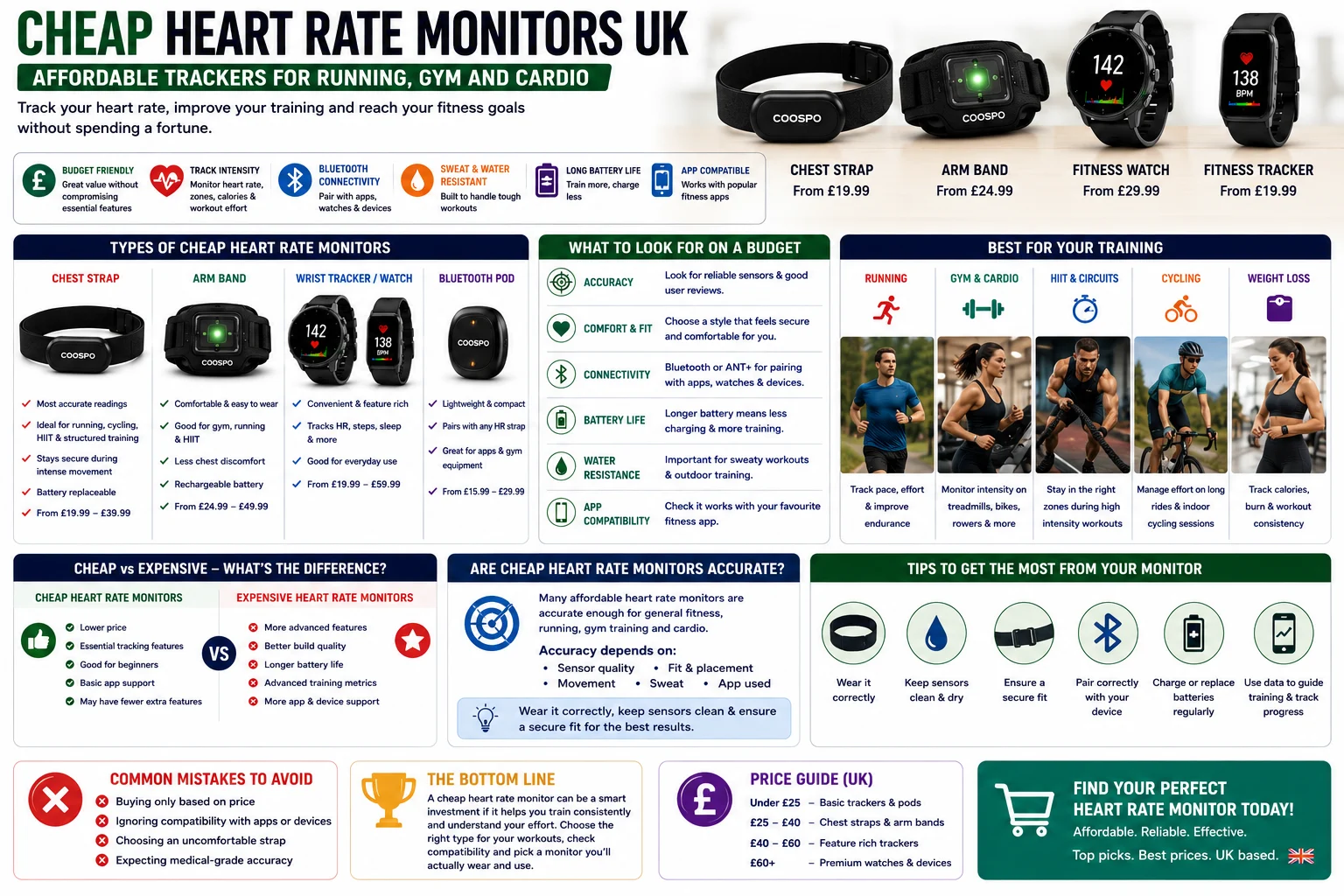
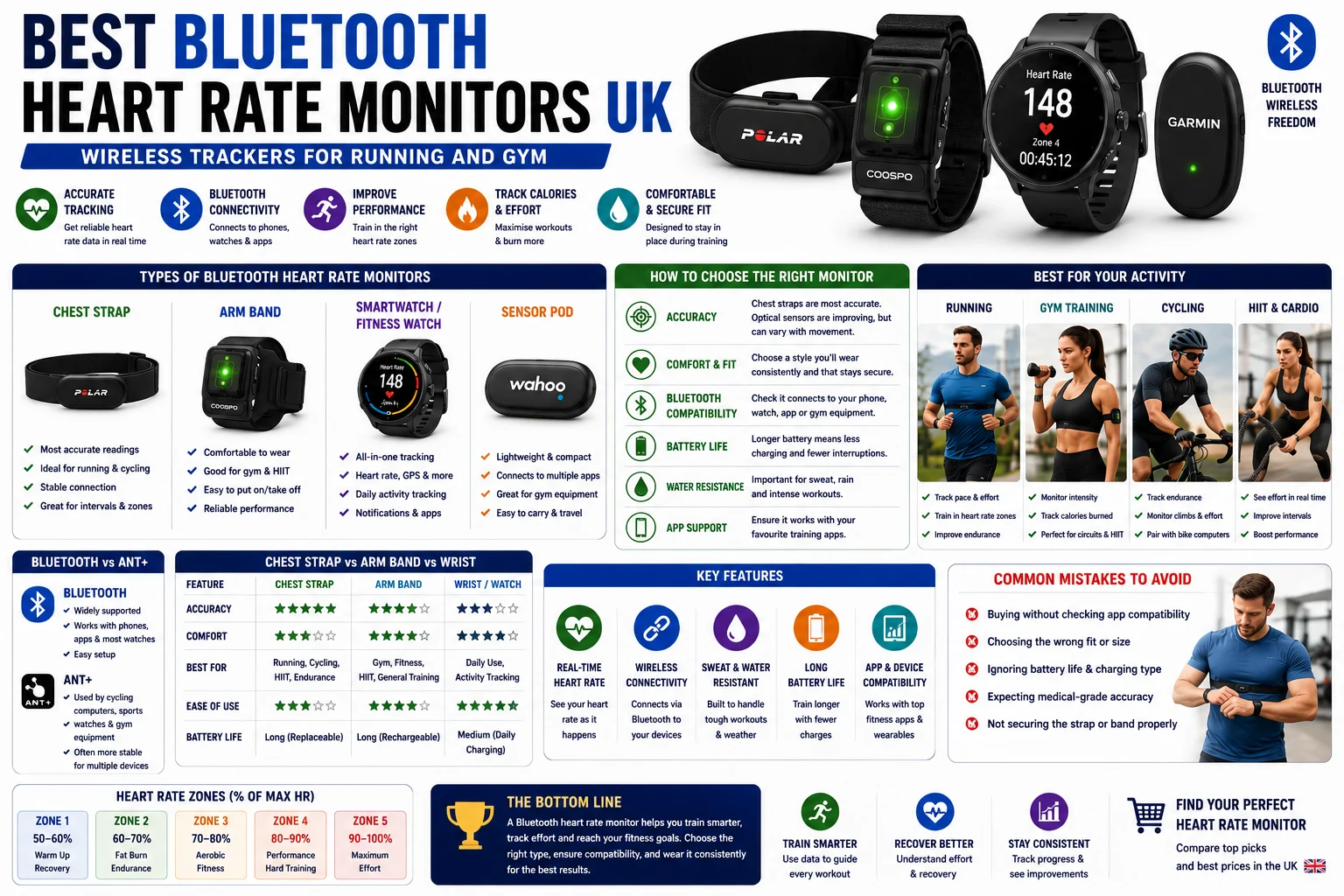
When choosing a Bluetooth heart rate monitor, look at accuracy, comfort, fit, battery life, Bluetooth compatibility, app support, water resistance and how easy it is to pair.
The best option depends on your routine. Runners may prioritise stable readings, gym users may prioritise comfort, and app users should check compatibility before buying.
Best Bluetooth heart rate monitors for running
For running, a Bluetooth heart rate monitor can help track effort, pacing and training zones. It can be useful for easy runs, tempo runs, intervals and longer endurance sessions.
Chest straps and arm bands are popular for running because they can stay secure during movement. A watch or phone can then display the live heart rate data.
Best Bluetooth heart rate monitors for gym training
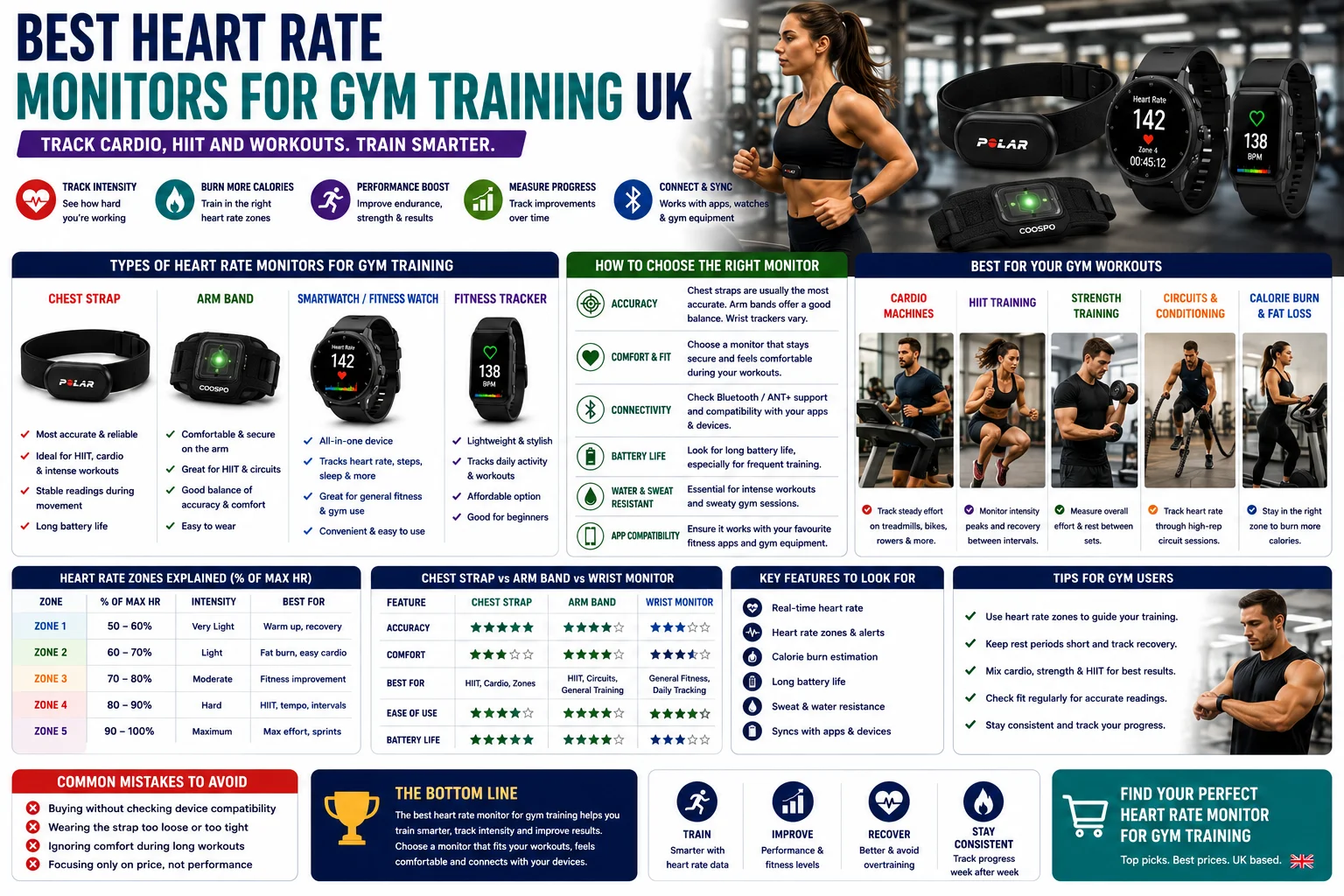
For gym training, Bluetooth heart rate monitors can be useful during treadmill sessions, rowing machines, exercise bikes, circuits, conditioning and HIIT workouts.
Arm band monitors may feel more comfortable for some gym users because they are easier to put on and remove than chest straps. However, chest straps can still be useful for stable workout readings.
Best Bluetooth heart rate monitors for cycling
Cyclists often use Bluetooth heart rate monitors to track endurance effort, climbs, intervals and longer rides. A monitor that connects to a cycling computer, phone or watch can make training easier to follow.
If you cycle regularly, check whether the monitor supports the devices you use. Some cyclists may also want ANT+ support as well as Bluetooth.
Best Bluetooth heart rate monitors for HIIT
HIIT workouts involve fast changes in intensity, so a secure heart rate monitor is important. The device should stay in place during jumps, sprints, circuits or bodyweight movements.
For HIIT, chest straps and arm bands may be better than loose wrist trackers because they can provide more stable contact during movement.
Bluetooth chest strap heart rate monitors
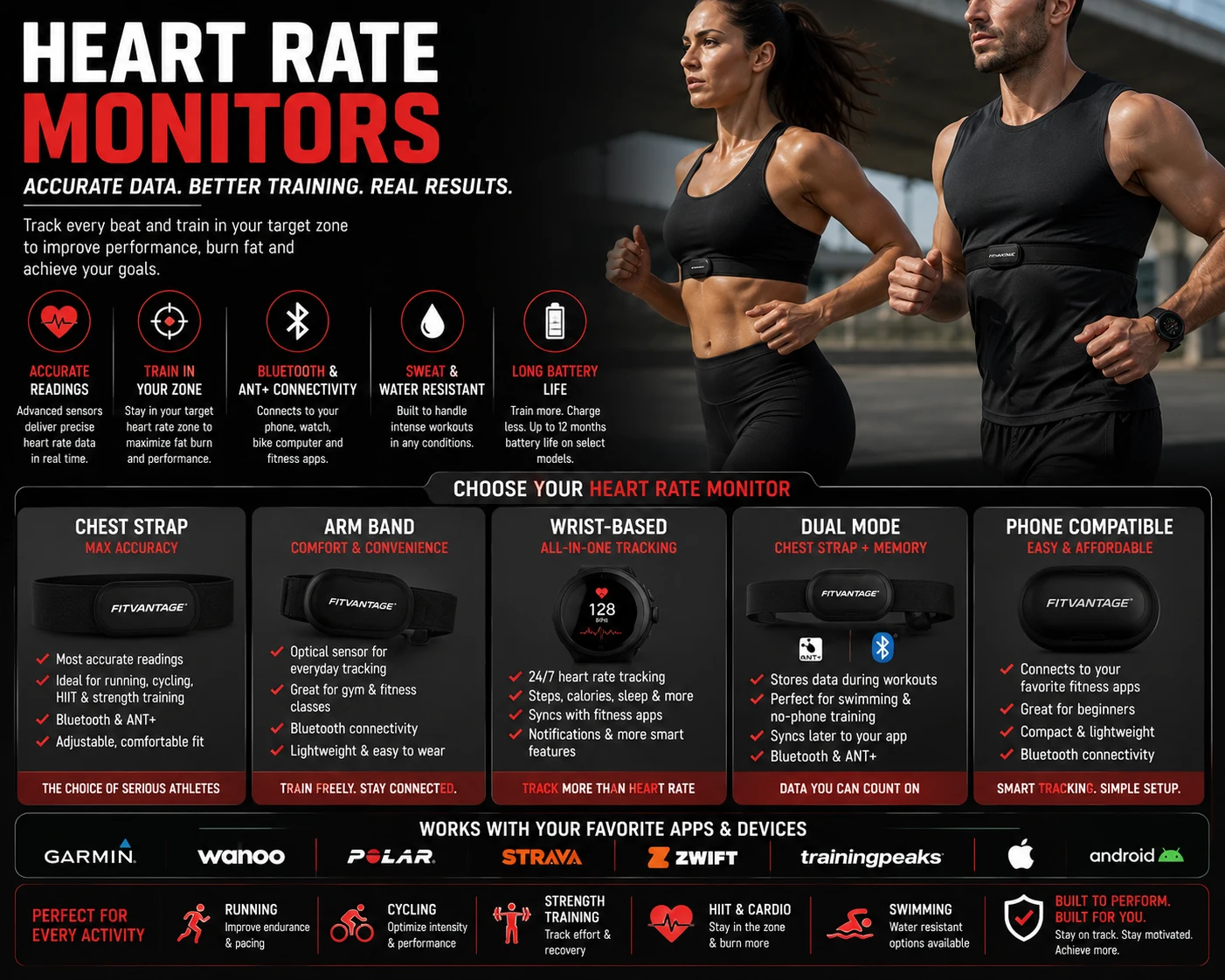
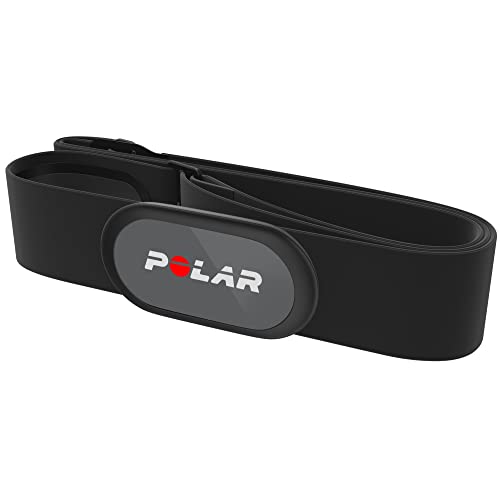
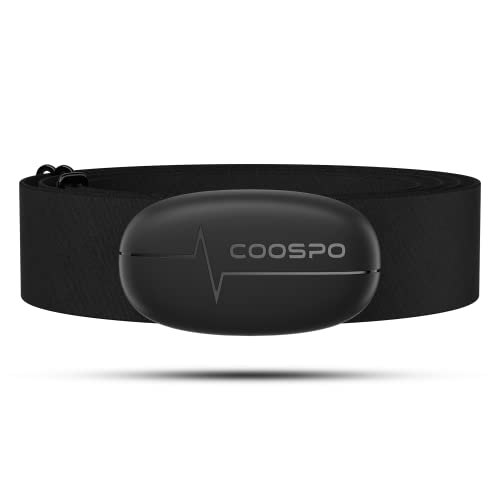
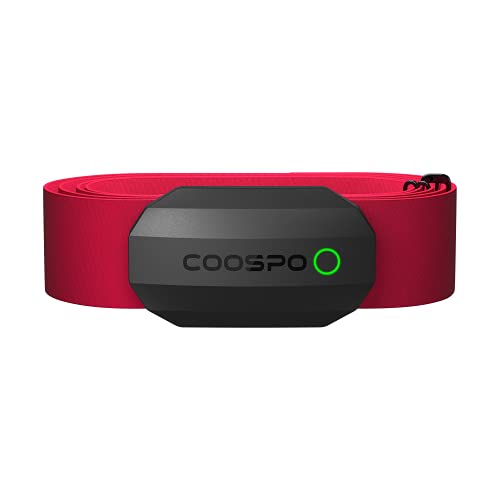
Bluetooth chest strap monitors are worn around the chest and send heart rate data wirelessly to another device. They are often chosen by runners, cyclists and athletes who want stable workout data.
The main downside is comfort. Some people dislike wearing a strap around the chest, so fit and adjustability are important.
Bluetooth arm band heart rate monitors
Bluetooth arm band monitors are usually worn on the upper arm or forearm. They can be a good balance between comfort and reliable workout tracking.
Many gym users and runners prefer arm bands because they are easier to wear than chest straps while still being more secure than some wrist trackers.
Bluetooth wrist heart rate monitors
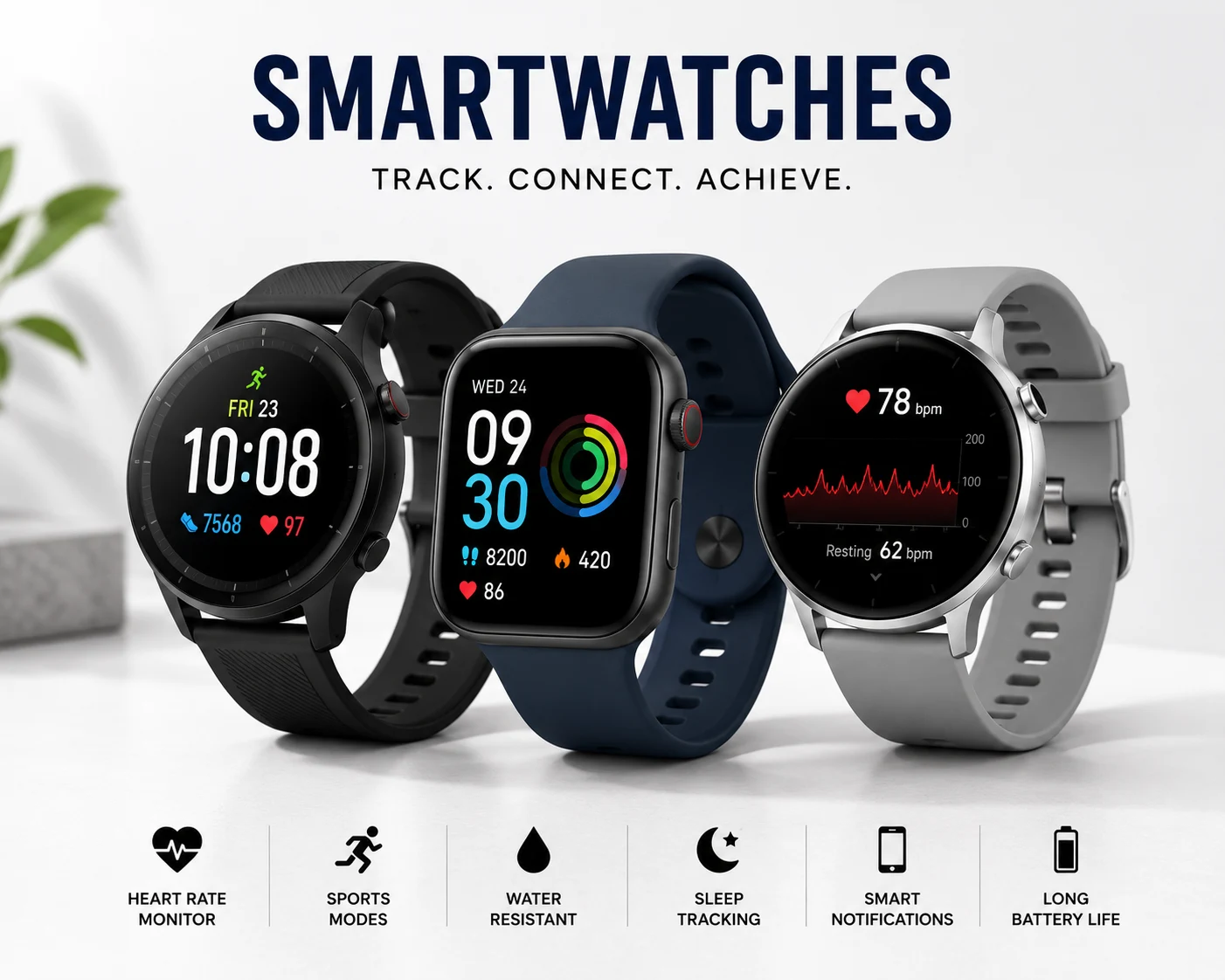
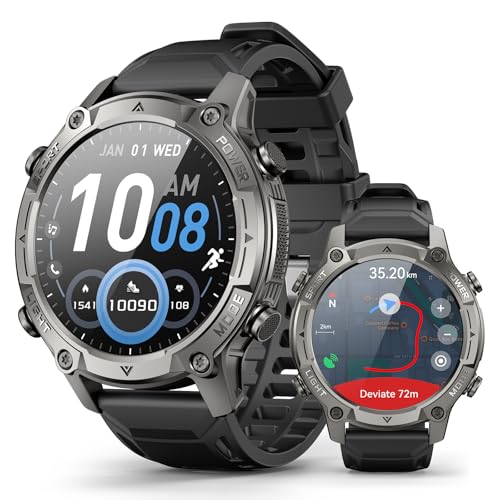
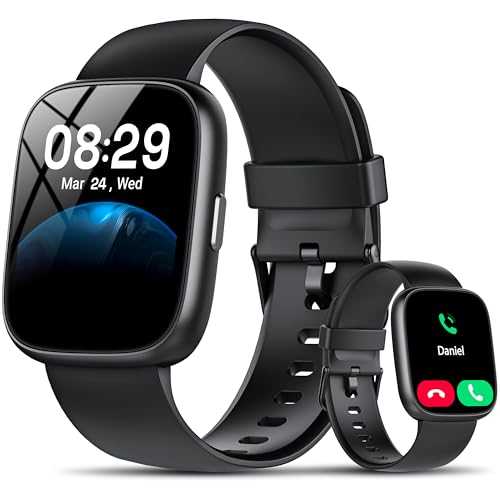
Wrist-based heart rate monitors are often built into smartwatches and fitness trackers. They are convenient because they can track heart rate, steps, workouts and daily activity in one device.
However, wrist readings can vary during intense movement, depending on fit, sweat, skin contact and exercise type. For serious training, some users prefer a chest strap or arm band.
Bluetooth vs ANT+ heart rate monitors
Bluetooth is widely used for phones, fitness apps and many watches. ANT+ is also common in sports watches, cycling computers and some fitness equipment.
If you only use a phone app, Bluetooth may be enough. If you use sports watches, cycling computers or multiple devices at once, a monitor with both Bluetooth and ANT+ may be more flexible.
Bluetooth heart rate monitor vs smartwatch
A smartwatch is convenient because it includes heart rate, workouts, notifications and sometimes GPS in one device. A dedicated Bluetooth heart rate monitor may be more focused on workout tracking.
Some people use both together. The heart rate monitor tracks the heart rate, while the watch displays the data and records the workout.
Bluetooth heart rate monitor vs fitness tracker
A fitness tracker is useful for daily steps, sleep, activity and general health tracking. A Bluetooth heart rate monitor is usually more focused on exercise heart rate data.
If your goal is simple daily tracking, a fitness tracker may be enough. If your goal is workout intensity and training zones, a dedicated monitor may be better.
Are Bluetooth heart rate monitors accurate?
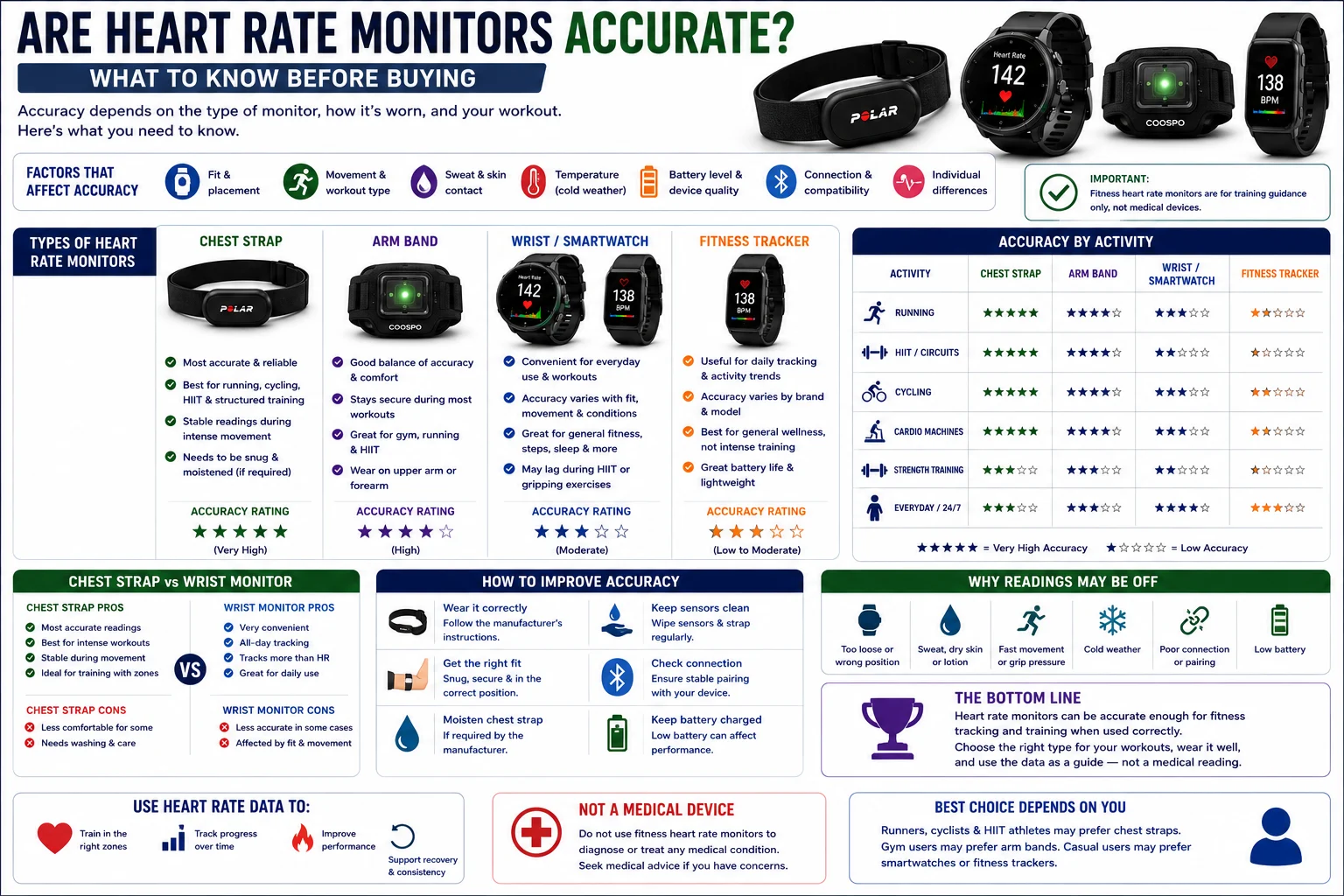
Accuracy depends on the type of monitor, sensor quality, fit and workout type. Chest straps are often chosen for stable exercise readings, while optical arm bands and watches can be more convenient.
For fitness training, a good Bluetooth heart rate monitor can provide useful guidance. For medical concerns, do not rely on a fitness monitor as a medical device.
Do Bluetooth heart rate monitors work with fitness apps?
Many Bluetooth heart rate monitors work with fitness apps, but compatibility varies. Before buying, check whether the monitor connects to the app, watch or device you plan to use.
This is especially important if you use a specific running app, cycling platform, gym app or smartwatch ecosystem.
Can Bluetooth heart rate monitors connect to gym equipment?
Some Bluetooth heart rate monitors can connect to compatible gym equipment such as treadmills, exercise bikes or rowing machines. This depends on both the monitor and the equipment.
If this matters to you, check the product information before buying rather than assuming every monitor will connect automatically.
Battery life and charging
Bluetooth heart rate monitors may use rechargeable batteries or replaceable coin-cell batteries. Chest straps often use small replaceable batteries, while some arm bands use rechargeable batteries.
Long battery life is useful if you train often. A monitor that runs out of charge regularly can become frustrating and may stop you using it consistently.
Water resistance and sweat protection
Heart rate monitors should handle sweat during workouts. If you train outdoors, run in the rain or do intense cardio, water resistance can be important.
Always check the product rating. Sweat resistance, rain resistance and swimming suitability are not always the same thing.
Common mistakes when buying Bluetooth heart rate monitors
One common mistake is buying a monitor without checking app or device compatibility. Bluetooth support alone does not guarantee it will work perfectly with every app or watch.
Another mistake is choosing only by price. Fit, comfort, battery life and reliable pairing matter if you want to use the monitor regularly.
Final thoughts
The best Bluetooth heart rate monitors are comfortable, reliable and compatible with your training setup. Chest straps can be useful for stable workout readings, while arm bands may offer a good balance of comfort and accuracy.
Choose based on how you train, what devices you use and whether you want simple tracking or more structured heart rate zone training. The best monitor is the one you can wear comfortably and pair easily every time.