Introduction
Foam rollers can be useful for runners who want a simple recovery tool for tight legs, sore calves, stiff quads, hamstrings and glutes. They are affordable, easy to use at home and can support warm-ups, cool-downs and recovery routines.
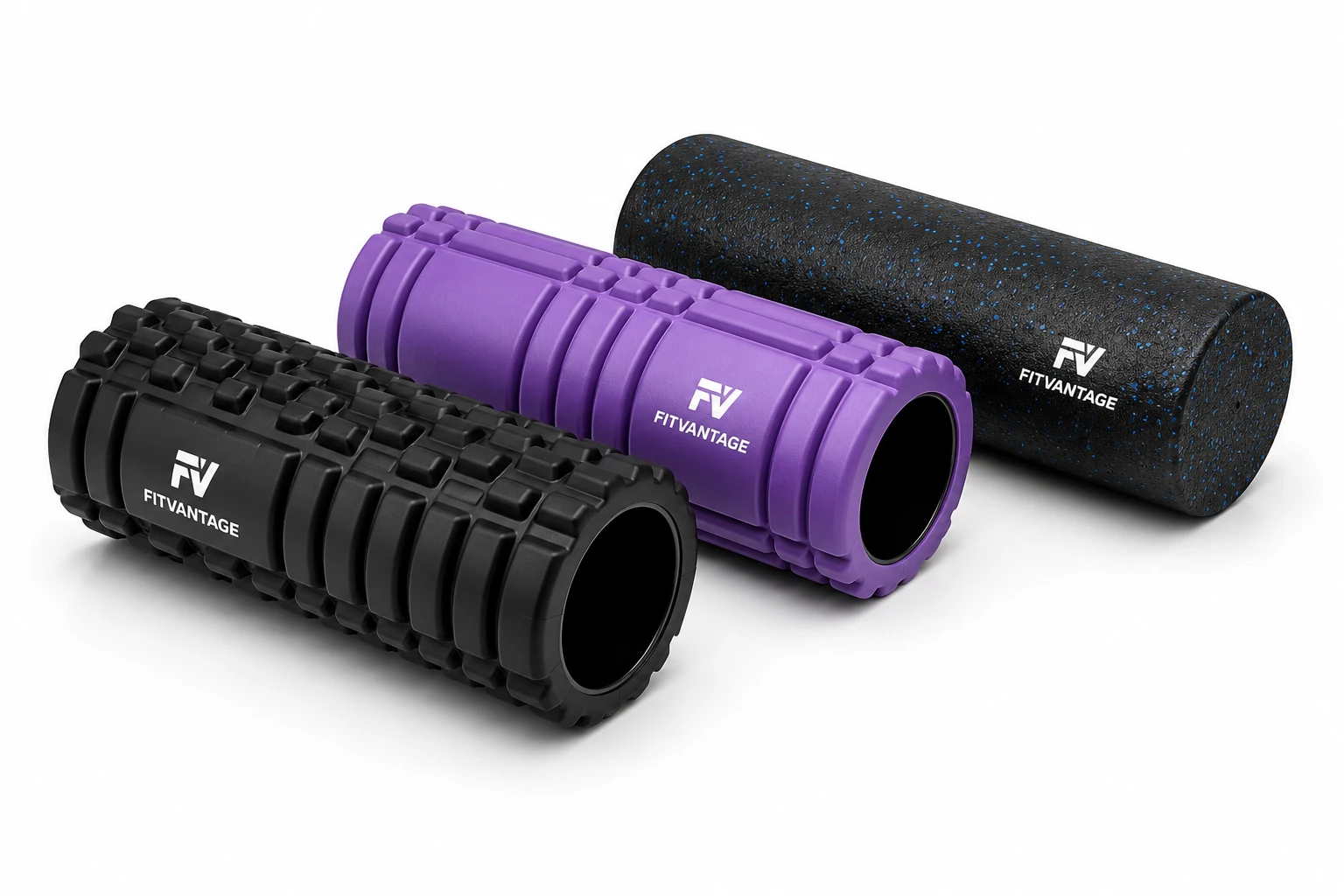
The best foam roller for runners should match your experience level, comfort and training routine. Some runners prefer smooth medium-density rollers, while others prefer firmer textured rollers for deeper pressure.
In this guide, we explain what runners should look for when buying foam rollers in the UK and how to choose the right recovery roller for calves, quads, hamstrings, glutes, running recovery and mobility work.
Why runners use foam rollers
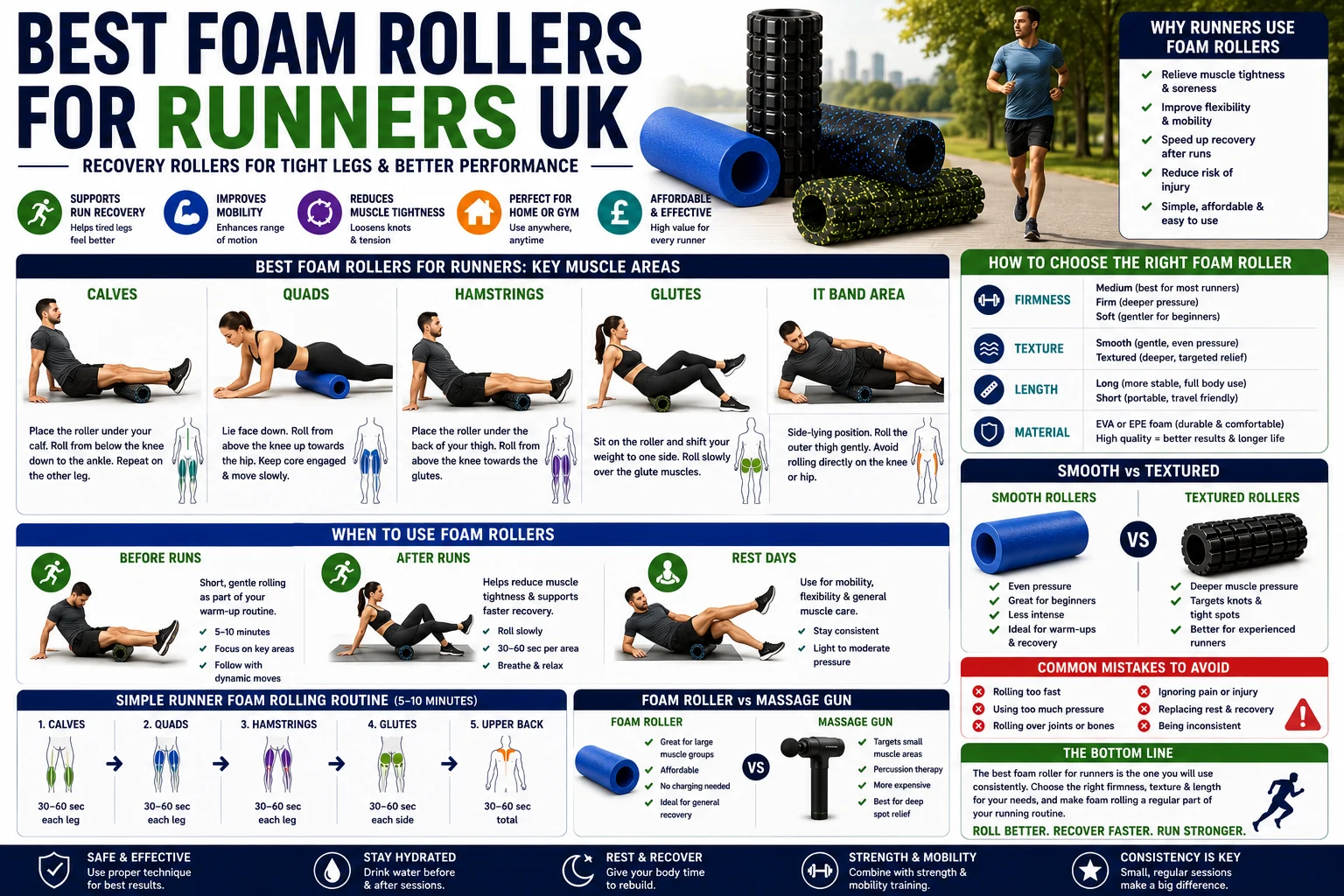
Runners often use foam rollers because running can leave the calves, quads, hamstrings and glutes feeling tight or tired. Foam rolling can be a simple way to add recovery and mobility work into a weekly routine.
A foam roller is also useful because it does not need charging, takes up little space and can be used at home after runs, workouts or long periods of sitting.
Who should buy a foam roller for running?
A foam roller can be useful for beginner runners, regular joggers, gym users who run, people training for events and anyone who wants to support leg recovery after exercise.
It may also be useful if you run several times per week and want a simple recovery tool for calves, quads, hamstrings and glutes.
What to look for in foam rollers for runners
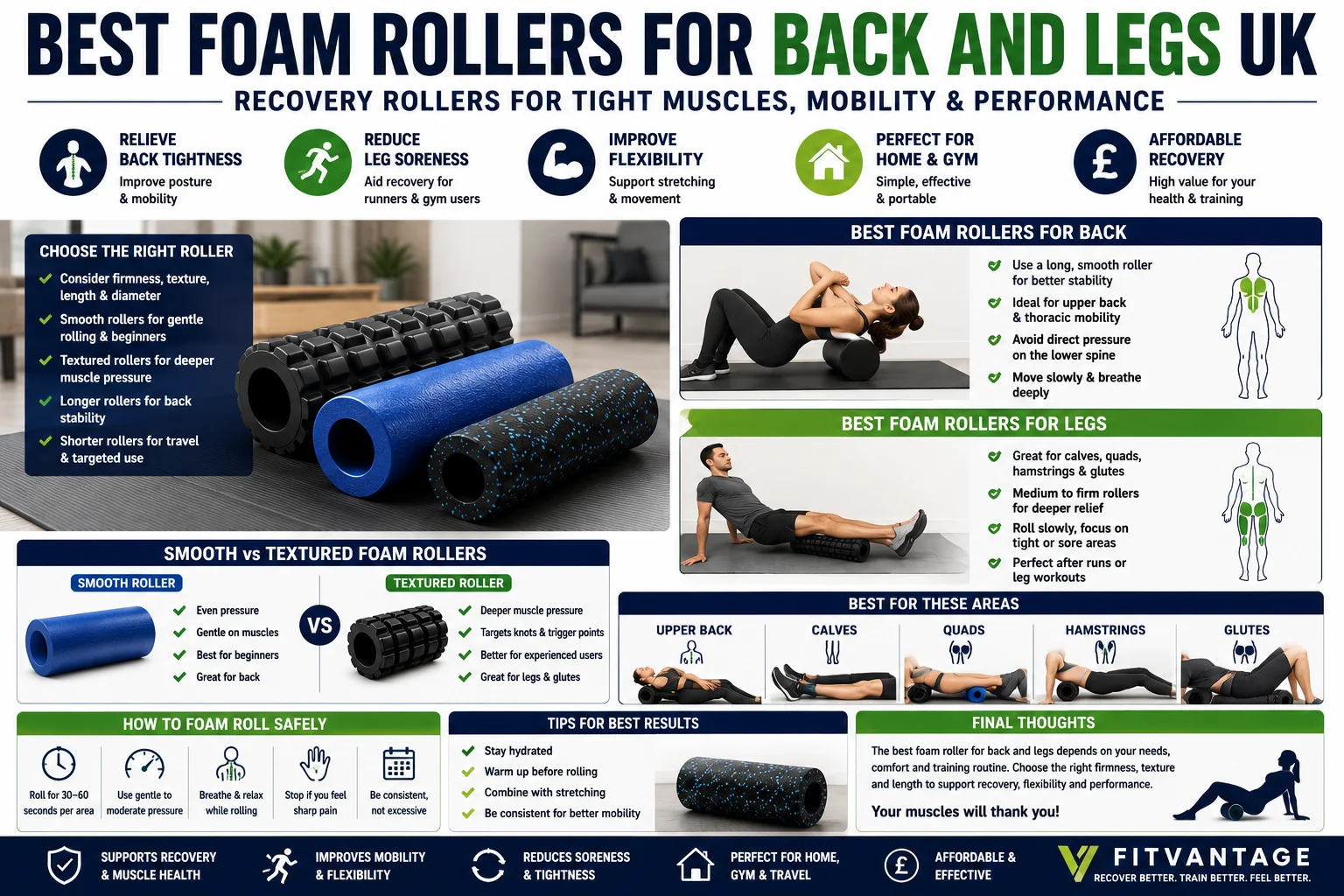
When choosing a foam roller for running, look at firmness, texture, length, material, portability and comfort. A good runner-friendly roller should provide enough pressure for leg muscles without being too painful to use consistently.
If you are new to foam rolling, a smooth medium-density roller is usually a sensible first choice. If you already use rollers and want deeper pressure, a firmer or textured roller may suit you better.
Best foam roller firmness for runners
Medium-density foam rollers are often a good starting point for runners because they provide controlled pressure without feeling too aggressive.
Firm rollers can be useful for larger leg muscles, but they may feel intense after hard runs. Beginners should avoid choosing the hardest roller straight away.
Best foam roller texture for runners
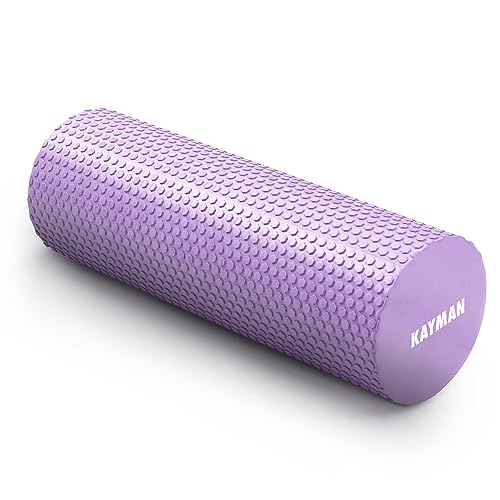
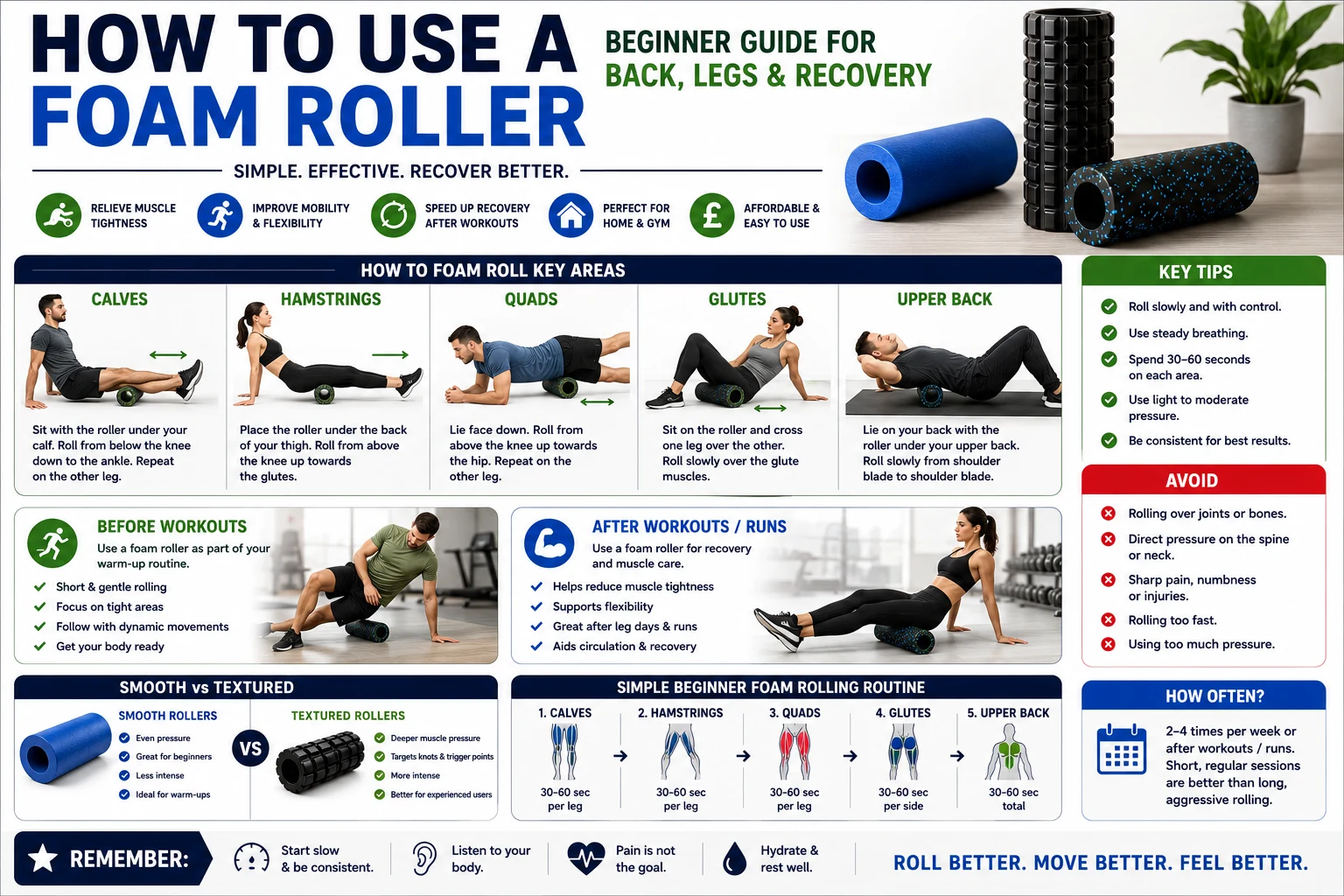
Smooth foam rollers provide even pressure and are usually easier for beginners. They can be useful for general leg recovery and mobility work.
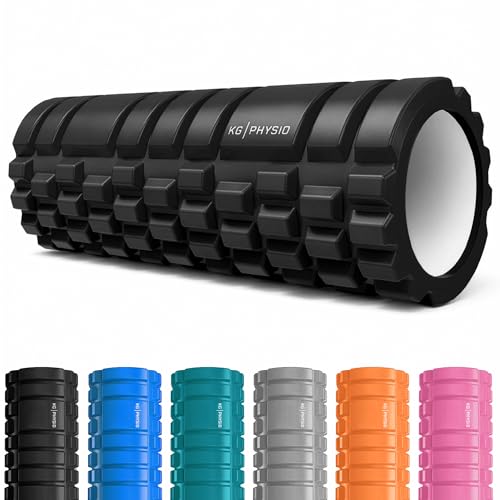
Textured foam rollers have ridges or patterns that create stronger targeted pressure. They may suit experienced runners who already know they prefer deeper rolling.
Best foam rollers for calves
Calves can become tight from running, hill work, speed sessions and long walks. A foam roller can be used by placing the roller under the calf and slowly rolling from below the knee towards the ankle.
Calves can be sensitive, so start gently. If the pressure feels too strong, keep one foot on the floor to reduce bodyweight on the roller.
Best foam rollers for quads
The quads are large muscles at the front of the thighs. Runners may use foam rollers on the quads after longer runs, hill sessions, gym workouts or speed training.
A medium or firm roller can be useful for quads, but the pressure should still feel controlled. Avoid rushing the movement or forcing pain.
Best foam rollers for hamstrings
Hamstrings can feel tight after running, sitting for long periods or lower-body gym training. A foam roller can be used on the back of the thigh with slow, controlled movement.
For hamstrings, a longer roller may feel easier to control at home, while a shorter roller may be better for travel or gym bags.
Best foam rollers for glutes
The glutes are important for running, hip stability and lower-body movement. Foam rolling the glutes can be useful as part of a post-run or recovery-day routine.
Shift your weight gently onto one side and roll slowly. Beginners should use controlled pressure and avoid aggressive rolling on sensitive areas.
Best foam rollers for IT band area
Some runners use foam rollers around the outer thigh area, but this can feel very intense. It is usually better to use careful, controlled pressure and avoid forcing pain.
If you have persistent pain around the knee, hip or outer thigh, do not rely only on foam rolling. Seek professional advice if symptoms continue or worsen.
Smooth foam rollers for runners
Smooth foam rollers are a good choice for beginner runners and general recovery routines. They provide even pressure and are usually more comfortable than heavily textured rollers.
A smooth medium-density roller can be a good first option if you want one simple roller for calves, quads, hamstrings and glutes.
Textured foam rollers for runners
Textured foam rollers can provide deeper pressure and may suit runners who already use foam rollers regularly. They can feel useful on larger muscles such as quads and glutes.
However, textured rollers can feel too intense for beginners or very sore muscles. Start gently and increase pressure only if it feels manageable.
Short vs long foam rollers for runners
Short foam rollers are easier to store, carry and pack in a gym bag. They can be useful for runners who want a portable recovery tool.
Long foam rollers are more stable and may be better for home use, back mobility and full-body stretching. If you mainly foam roll at home, a longer roller may be more comfortable.
Foam rollers before running
Foam rollers can be used before running as part of a warm-up, but the session should be short and gentle. The aim is to feel prepared, not sore or fatigued.
Before running, combine light foam rolling with dynamic movements such as leg swings, walking lunges or easy jogging.
Foam rollers after running
After running, foam rolling can be used as part of a cool-down or recovery routine. It may be useful for calves, quads, hamstrings and glutes after longer runs or harder sessions.
Use slow, controlled pressure and focus on areas that feel tight. Avoid aggressive rolling if an area feels sharp, swollen or injured.
Foam rollers on rest days
Rest days can be a good time for gentle foam rolling and mobility work. This can help runners stay consistent without adding more impact or hard training.
A short routine with calves, hamstrings, quads, glutes and upper back can be enough for many runners.
Foam roller vs massage gun for runners
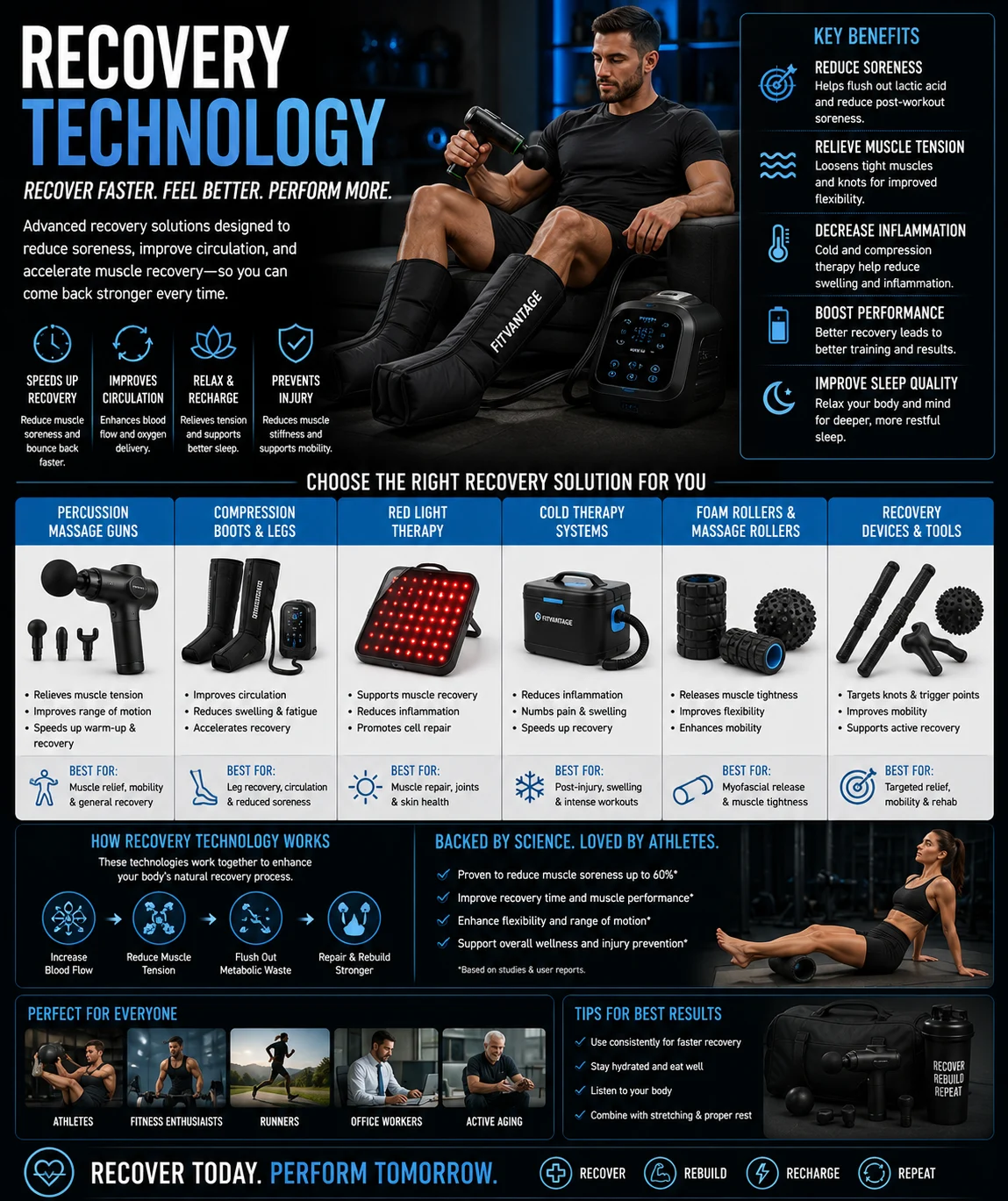
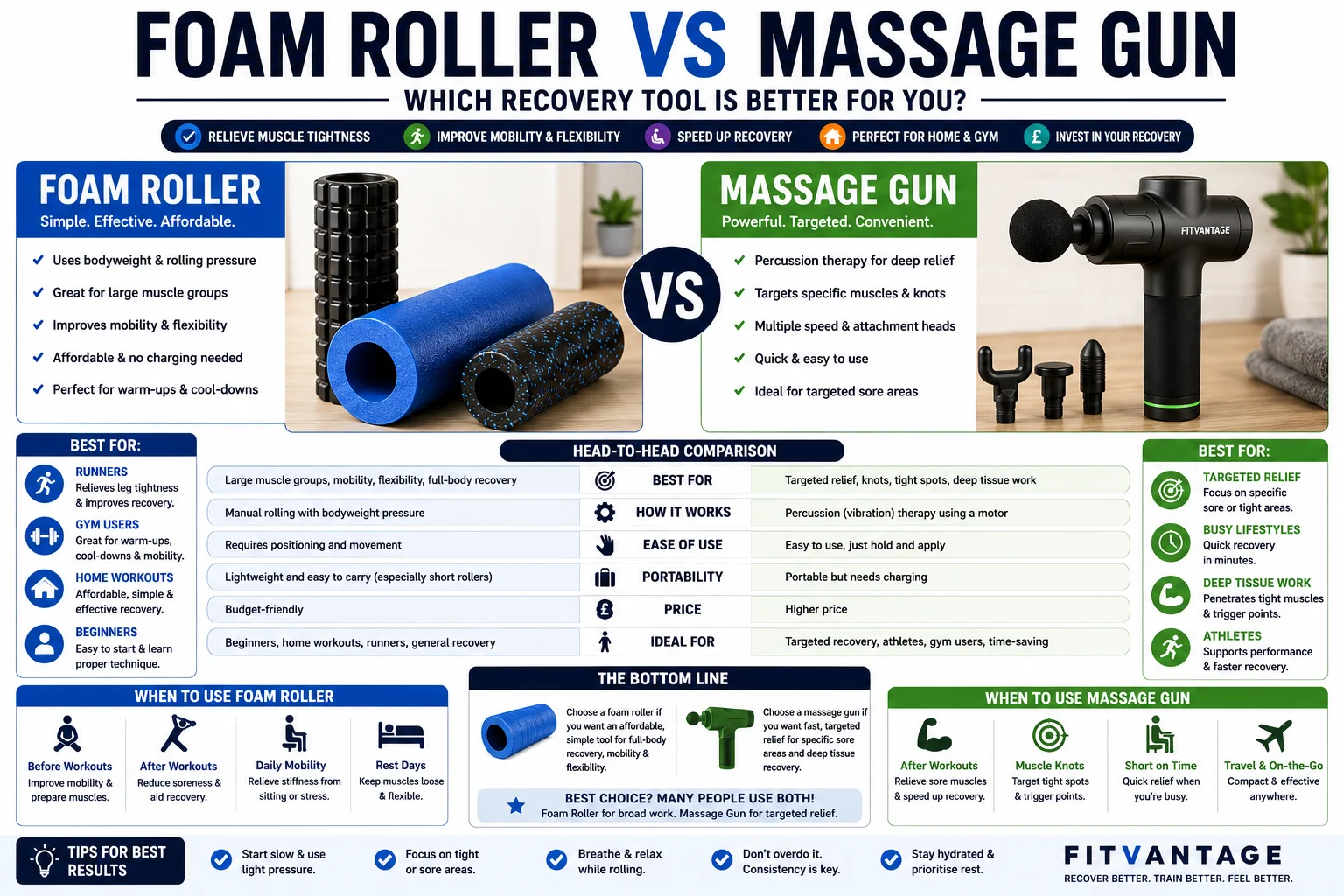
Foam rollers are usually cheaper and better for broad leg recovery work. They are useful for larger areas such as calves, quads, hamstrings and glutes.
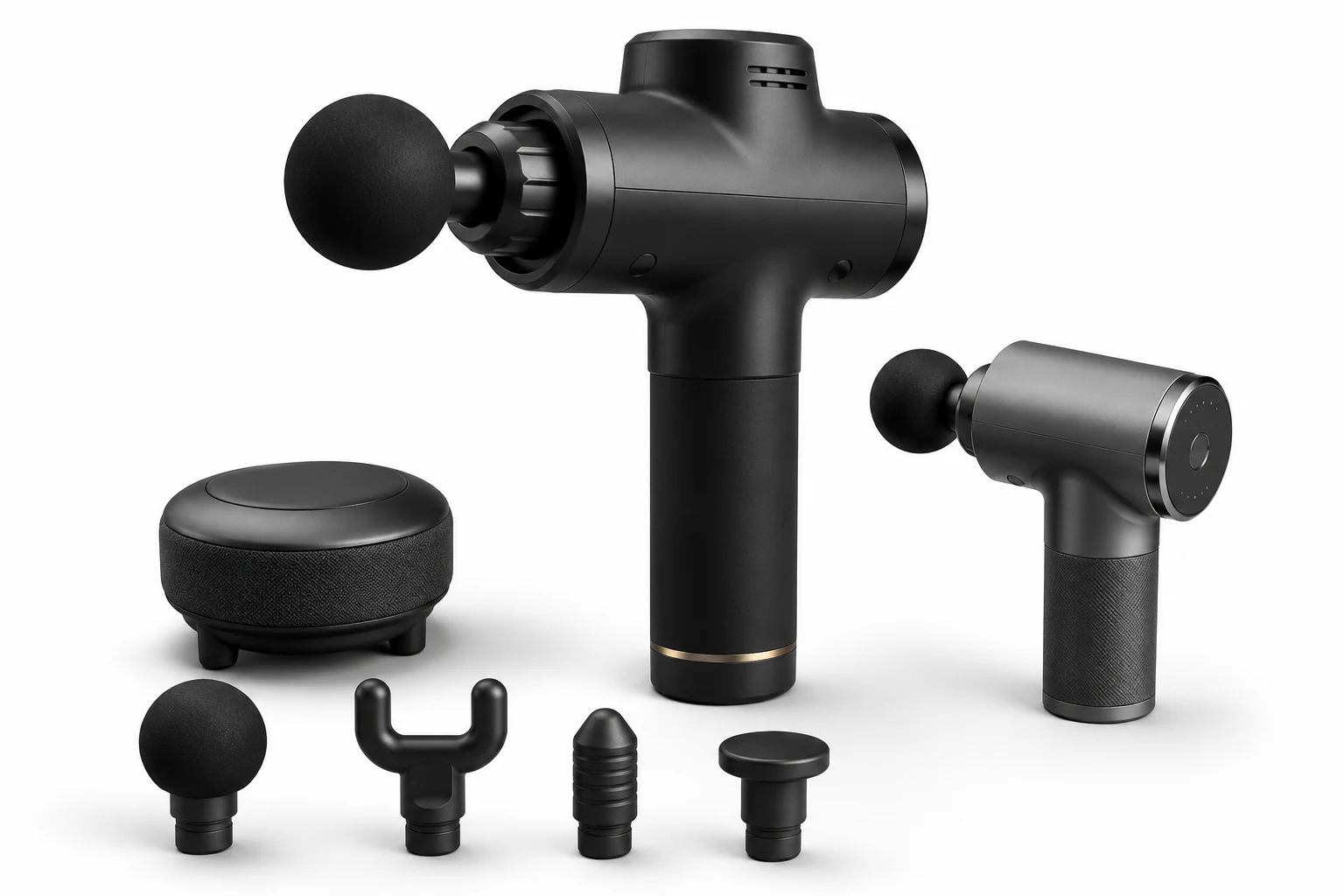
Massage guns can be useful for targeted pressure on smaller areas, but they are usually more expensive. Many runners start with a foam roller first and consider a massage gun later.
Are cheap foam rollers good for runners?
Cheap foam rollers can be good for runners if they are firm enough, durable enough and comfortable to use regularly. Beginners do not always need an expensive roller.
However, very cheap rollers may lose shape or feel too soft. Check material, size and firmness before buying.
How often should runners foam roll?
Some runners foam roll after most runs, while others use a roller a few times per week. The best frequency depends on comfort, training volume and recovery needs.
Short, regular sessions are usually better than occasional aggressive rolling. Start with gentle sessions and adjust based on how your legs respond.
Common mistakes runners make with foam rollers
One common mistake is rolling too hard after a tough run. If the legs are very sore, gentle pressure is usually better than forcing deep pressure.
Another mistake is using foam rolling as a replacement for rest, sleep, strength work or proper training load management. Foam rolling can support recovery, but it cannot fix every running issue by itself.
Final thoughts
The best foam rollers for runners are comfortable, durable and suitable for the leg areas you want to target. A smooth medium-density roller is often best for beginners, while firm or textured rollers may suit experienced runners.
Use foam rolling as part of a wider running recovery routine that includes sensible training, stretching, strength work, hydration, sleep and rest. The best roller is the one you can use consistently without excessive discomfort.