Introduction
Foam rollers are commonly used for back tightness, leg soreness, stretching and recovery after exercise. They can be useful for runners, gym users, cyclists, desk workers and anyone who wants a simple mobility tool at home.
The best foam roller for back and legs should be comfortable, stable and suitable for the areas you want to target. A longer smooth roller may be better for the back, while a firmer or textured roller may suit larger leg muscles.
In this guide, we explain what to look for when buying foam rollers for back and legs in the UK and how to choose the right option for tight muscles, post-workout recovery and home mobility routines.
Why use a foam roller for back and legs?
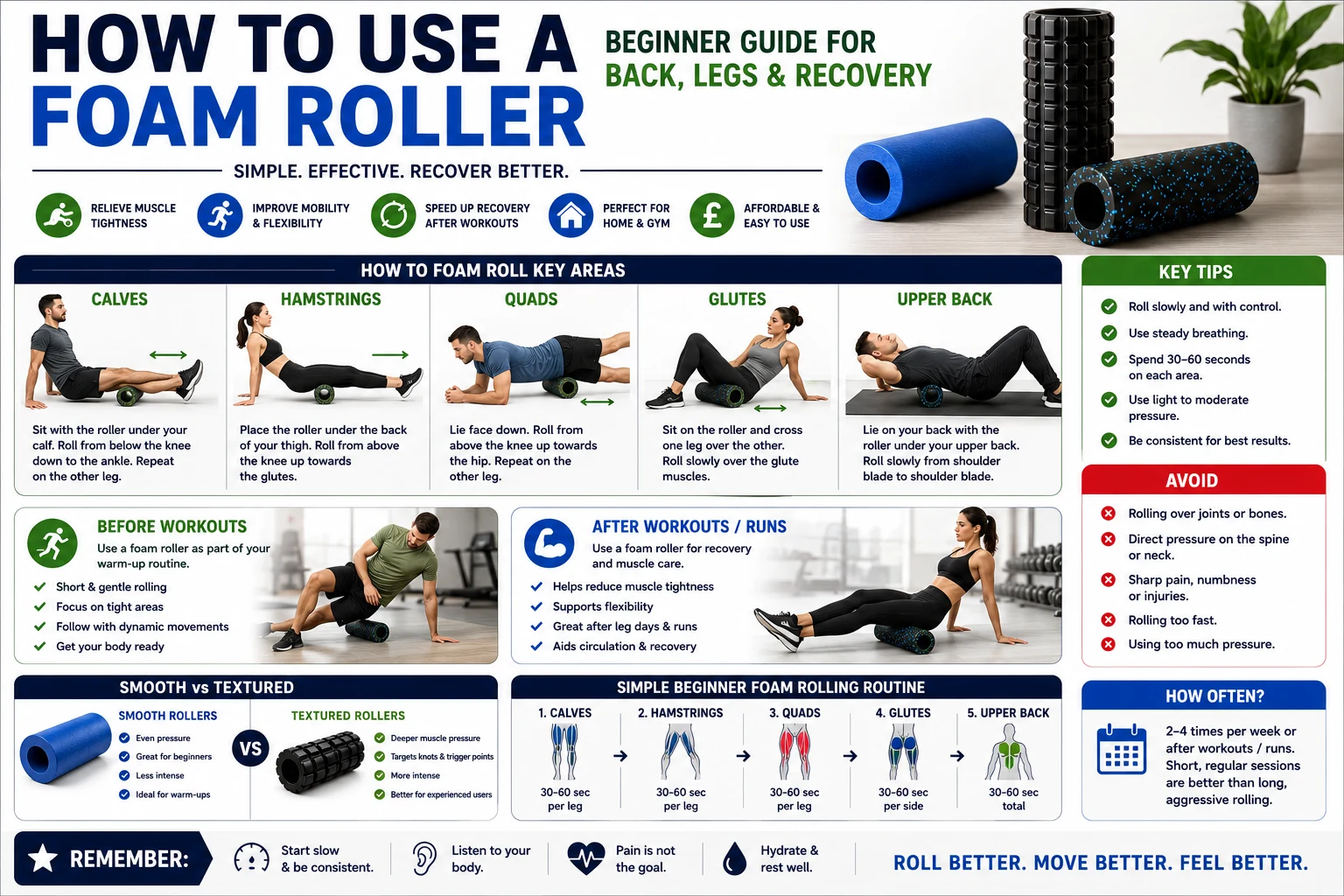
A foam roller can help you apply controlled pressure to tight or sore muscles. It is often used as part of warm-ups, cool-downs, stretching routines and recovery sessions.
For the back and legs, foam rollers are useful because they can cover larger areas such as the upper back, glutes, quads, hamstrings and calves.
Who should buy a foam roller for back and legs?
Foam rollers for back and legs can be useful for runners, gym users, home workout users, cyclists, footballers, desk workers and people who feel tight after training or long periods of sitting.
They may also be useful if you want an affordable recovery tool before buying more expensive equipment such as massage guns or specialist mobility devices.
What to look for in a foam roller for back and legs
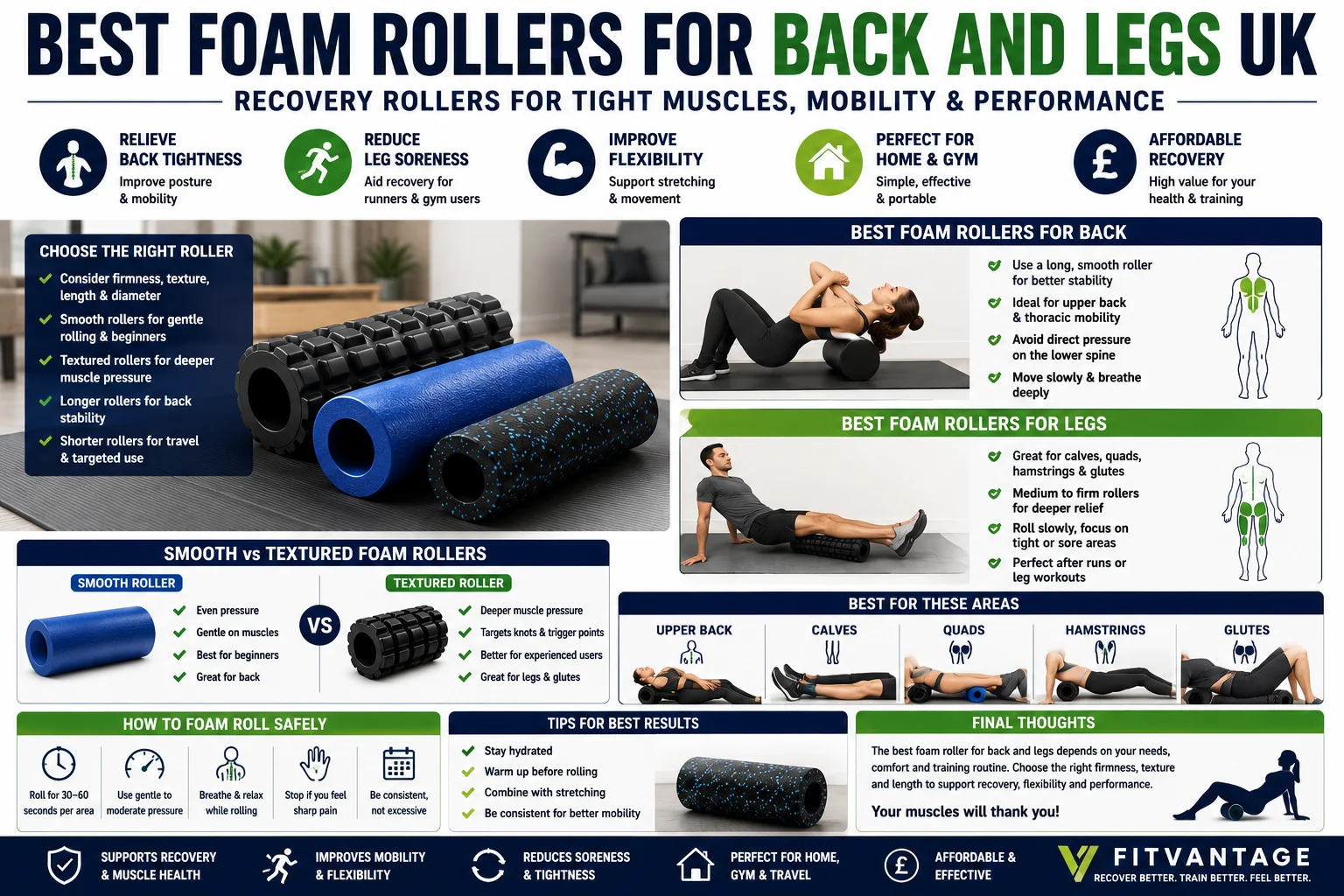
When choosing a foam roller for back and legs, look at firmness, texture, length, diameter, material, comfort and stability.
If you mainly want to roll your back, a longer smooth roller may feel more stable. If you mainly want to roll your legs, a medium or firm roller may provide better pressure for larger muscle groups.
Best foam rollers for upper back tightness
Foam rollers are often used for the upper back and thoracic spine area. A longer smooth roller can feel stable and supportive when rolling across the upper back.
Use controlled movement and avoid aggressive pressure directly on the spine. Focus on the surrounding muscles and stop if you feel sharp or unusual pain.
Should you use a foam roller on the lower back?
Many people should be careful with direct foam rolling on the lower back. The lower back is more sensitive, and aggressive pressure may feel uncomfortable or unsafe for some users.
For lower back discomfort, it may be better to focus on nearby areas such as glutes, hips, hamstrings and upper back mobility. Persistent or sharp back pain should be checked by a professional.
Best foam rollers for calves
Foam rollers can be useful for calves, especially for runners, walkers and people who train legs regularly. A medium or firm roller can help apply pressure to the calf muscles.
Start gently because calves can be sensitive. Roll slowly and avoid forcing pressure if the area feels too painful.
Best foam rollers for quads
The quads are large muscles at the front of the thighs, so they often respond well to medium or firm foam rollers. Gym users and runners may use foam rolling for quads after leg sessions or runs.
Move slowly and use controlled pressure. If a firm roller feels too intense, begin with a smoother or softer option.
Best foam rollers for hamstrings
Foam rollers can be used on the hamstrings at the back of the thighs. This can be useful after running, cycling, gym training or long periods of sitting.
For hamstrings, a longer roller may be easier to control, while a shorter roller can be more portable for gym bags or travel.
Best foam rollers for glutes
The glutes can become tight from running, squats, cycling, sitting and general lower-body training. Foam rolling can be used as part of a recovery or mobility routine.
A firm or textured roller may provide stronger pressure, but beginners should start with manageable pressure and avoid forcing discomfort.
Best foam rollers for runners’ legs
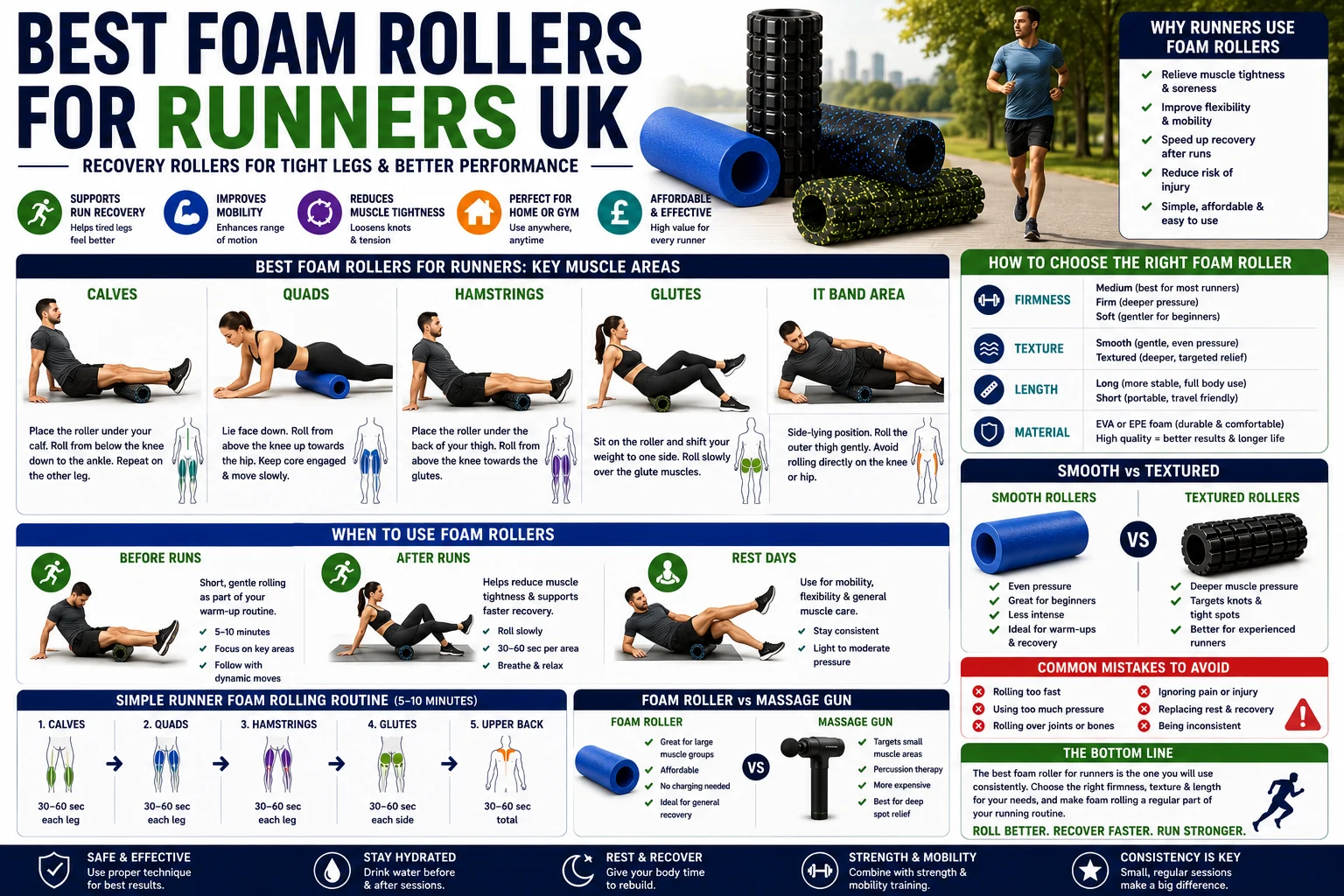
Runners commonly use foam rollers for calves, quads, hamstrings and glutes. A medium-density roller can be a good balance for leg recovery without being too aggressive.
If you are new to foam rolling, use shorter sessions after runs or on recovery days. Avoid aggressive rolling on areas that feel sharp, swollen or injured.
Best foam rollers for gym leg days
After leg workouts, foam rollers can be useful for quads, hamstrings, calves and glutes. They can support cool-downs, stretching and recovery habits.
If your legs are very sore after training, start with gentle pressure rather than using the firmest roller immediately.
Smooth foam rollers for back and legs
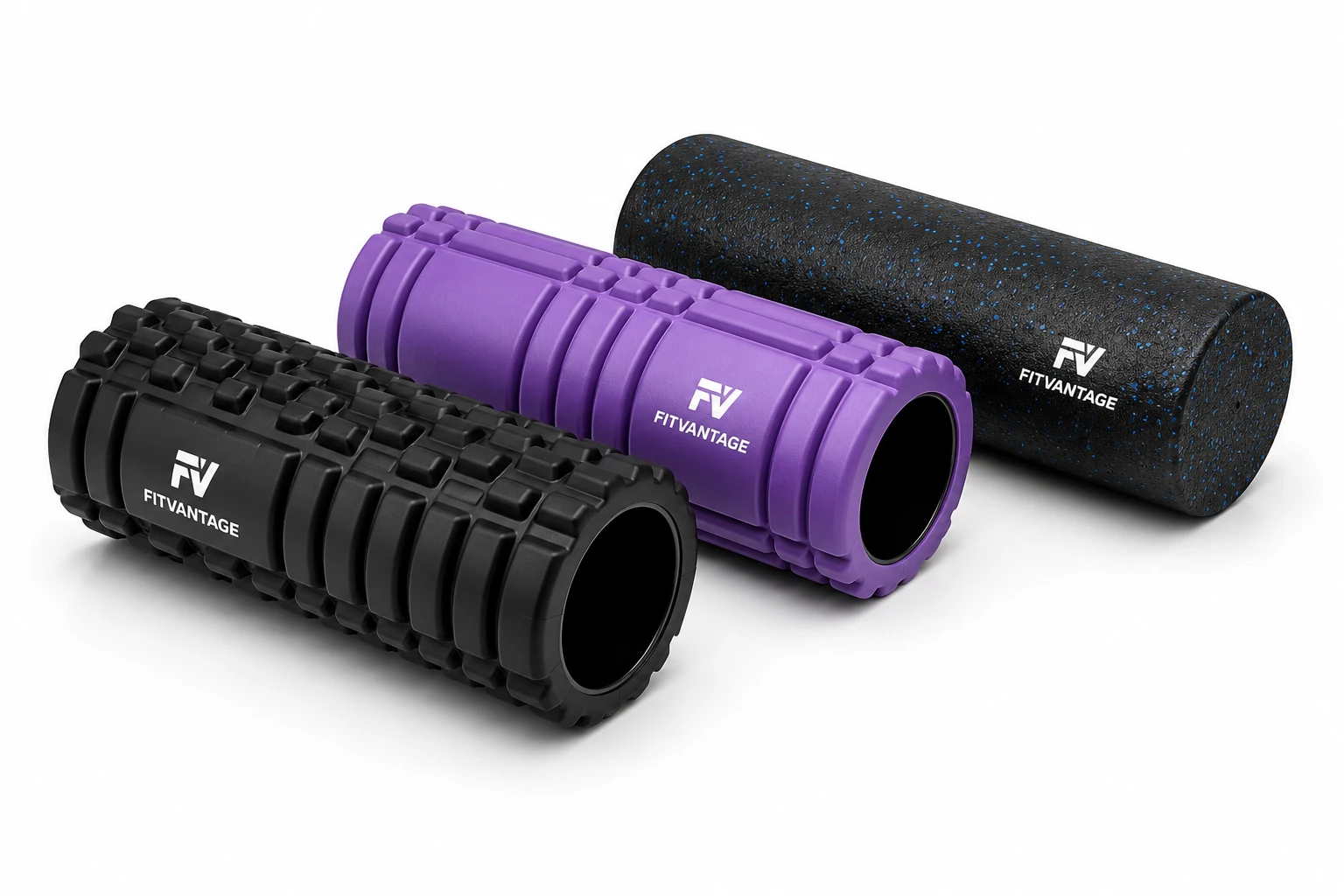
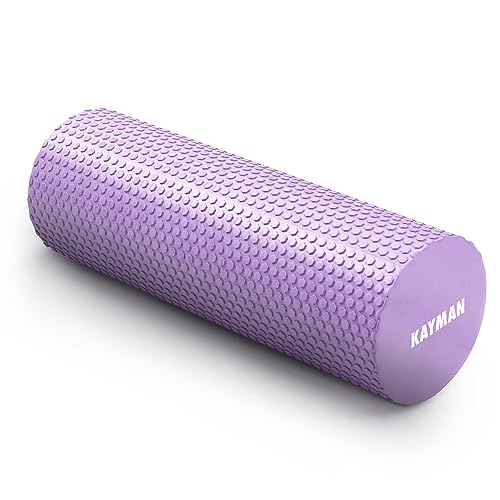
Smooth foam rollers provide even pressure and are often better for beginners or sensitive areas. They are useful for general back and leg recovery without feeling too aggressive.
A smooth roller is a good choice if you want one simple roller for both upper back mobility and leg rolling.
Textured foam rollers for back and legs
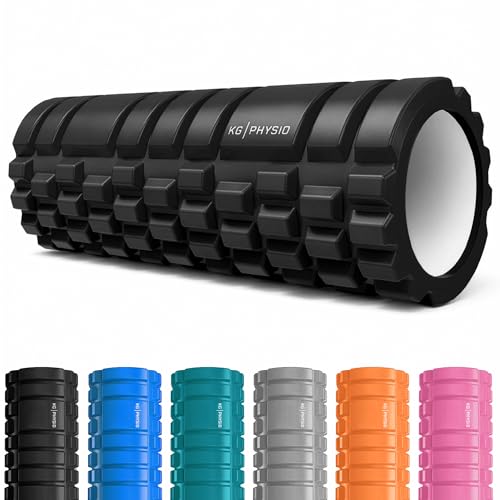
Textured foam rollers have ridges, bumps or patterns designed to create more targeted pressure. They can feel more intense than smooth rollers.
Textured rollers may suit experienced users, runners or gym users who already know they prefer deeper pressure. Beginners may find them too aggressive at first.
Soft vs firm foam rollers for back and legs
Soft foam rollers are more comfortable and easier for beginners. They may be better for the upper back, sensitive areas and gentle recovery sessions.
Firm foam rollers provide deeper pressure and may be better for larger leg muscles. The best firmness depends on your comfort level and how often you plan to use the roller.
Long vs short foam rollers for back and legs
Long foam rollers are usually more stable and better for back work, full-body stretching and home mobility routines. They can also feel easier for beginners to control.
Short foam rollers are easier to store and carry. They may be better for gym bags, travel and targeted leg rolling.
Foam roller vs massage gun for back and legs
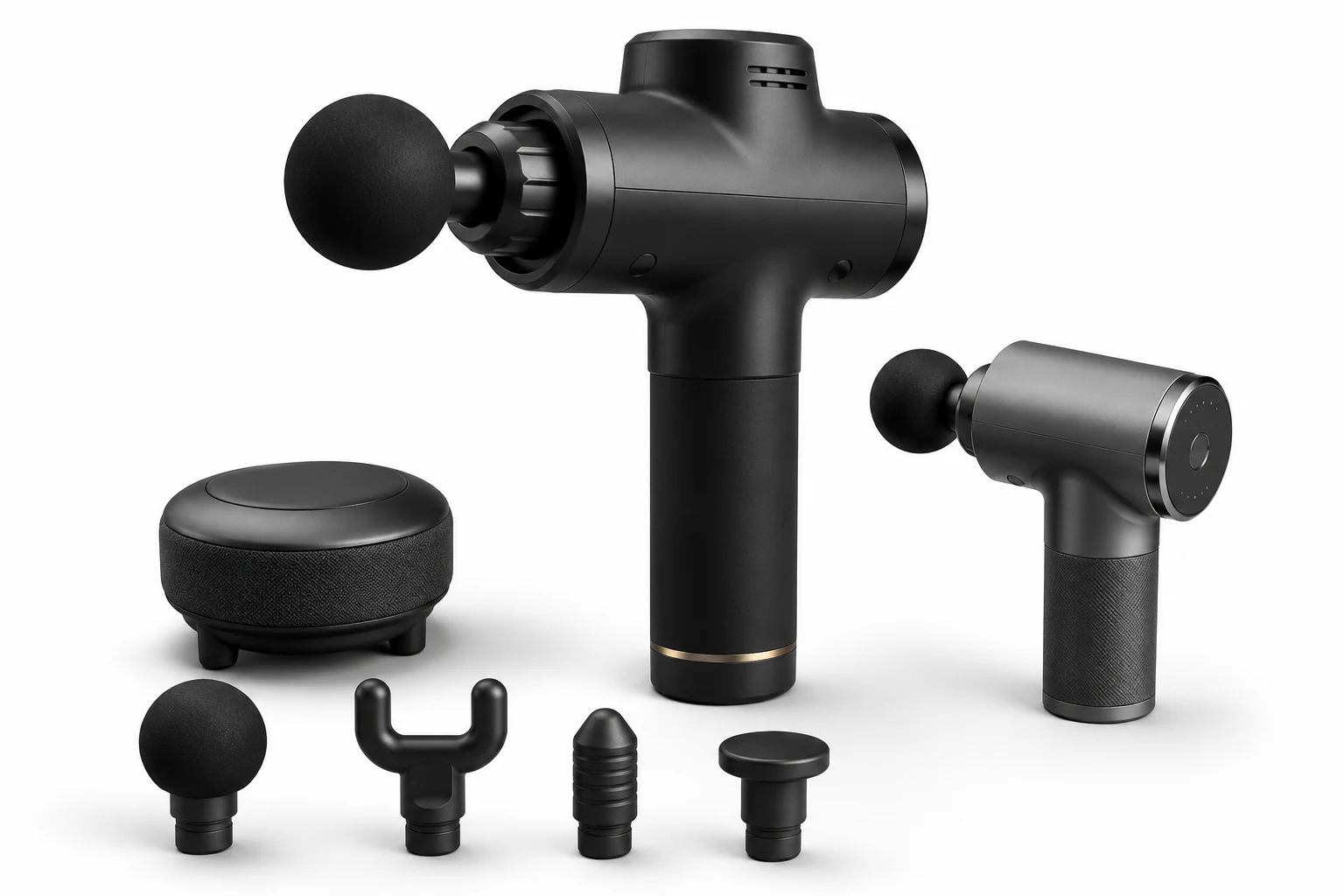
Foam rollers are usually better for broad pressure across larger muscle groups, while massage guns are better for targeted pressure on smaller areas.
If you want an affordable tool for back and leg mobility, a foam roller is usually a good first choice. If you want powered targeted pressure, a massage gun may be useful later.
How often should you foam roll back and legs?
Some people foam roll a few times per week, while others use a roller after workouts or runs. The right frequency depends on your body, routine and comfort level.
Short, regular sessions are usually better than occasional aggressive rolling. Start gradually and adjust based on how your body responds.
Common mistakes when rolling back and legs
One common mistake is rolling too aggressively, especially on sensitive areas. Foam rolling should feel controlled, not like forced pain.
Another mistake is using the wrong roller for the area. A very short roller may not be ideal for the back, while a very soft roller may not provide enough pressure for larger leg muscles.
Final thoughts
The best foam rollers for back and legs are comfortable, stable and suitable for the areas you want to target. For upper back work, a longer smooth roller is often a good choice. For legs, medium or firm rollers may be more useful.
Choose a foam roller based on your comfort level, training routine and recovery needs. Foam rolling should support mobility and recovery habits, not replace professional advice for persistent pain or injury.